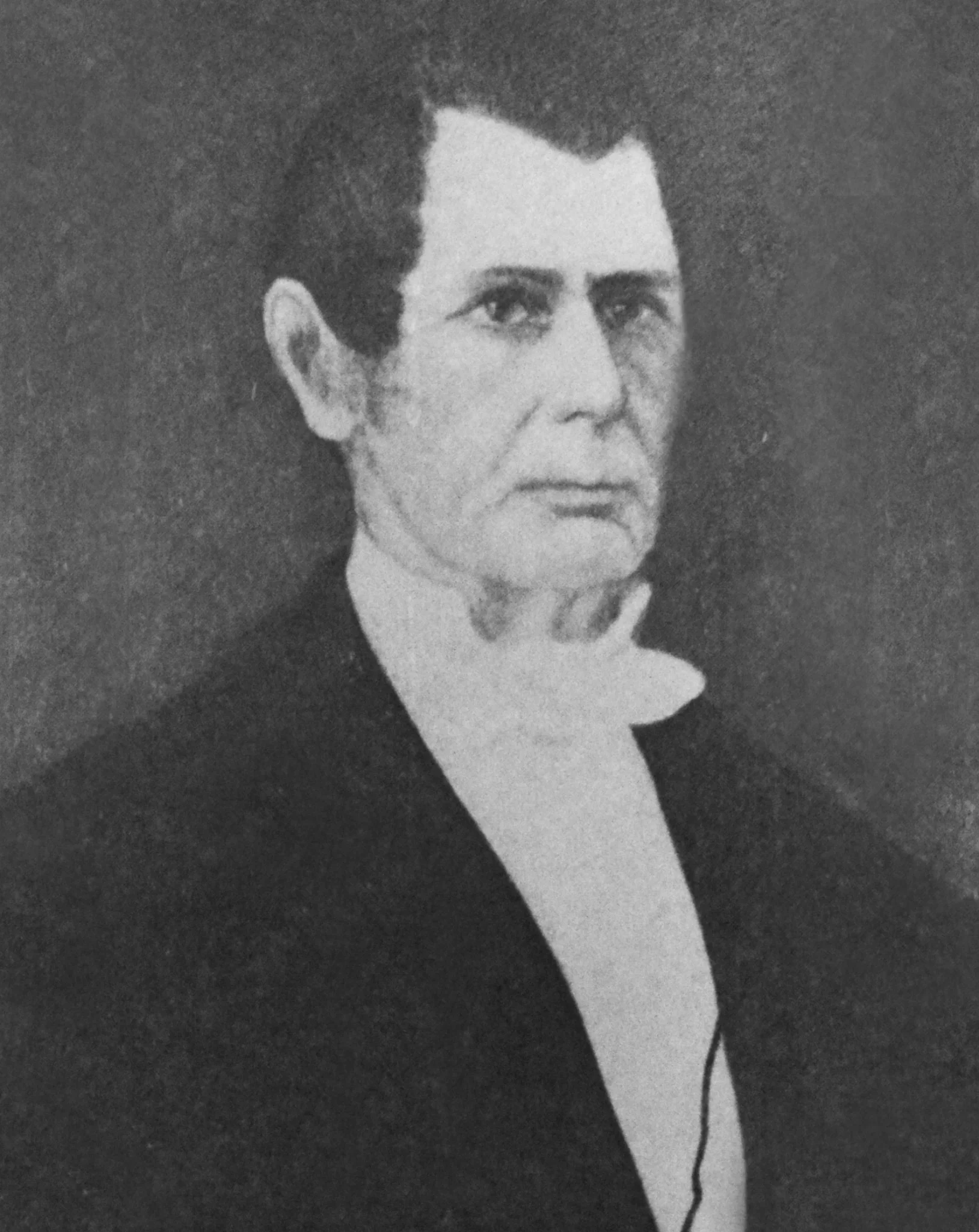
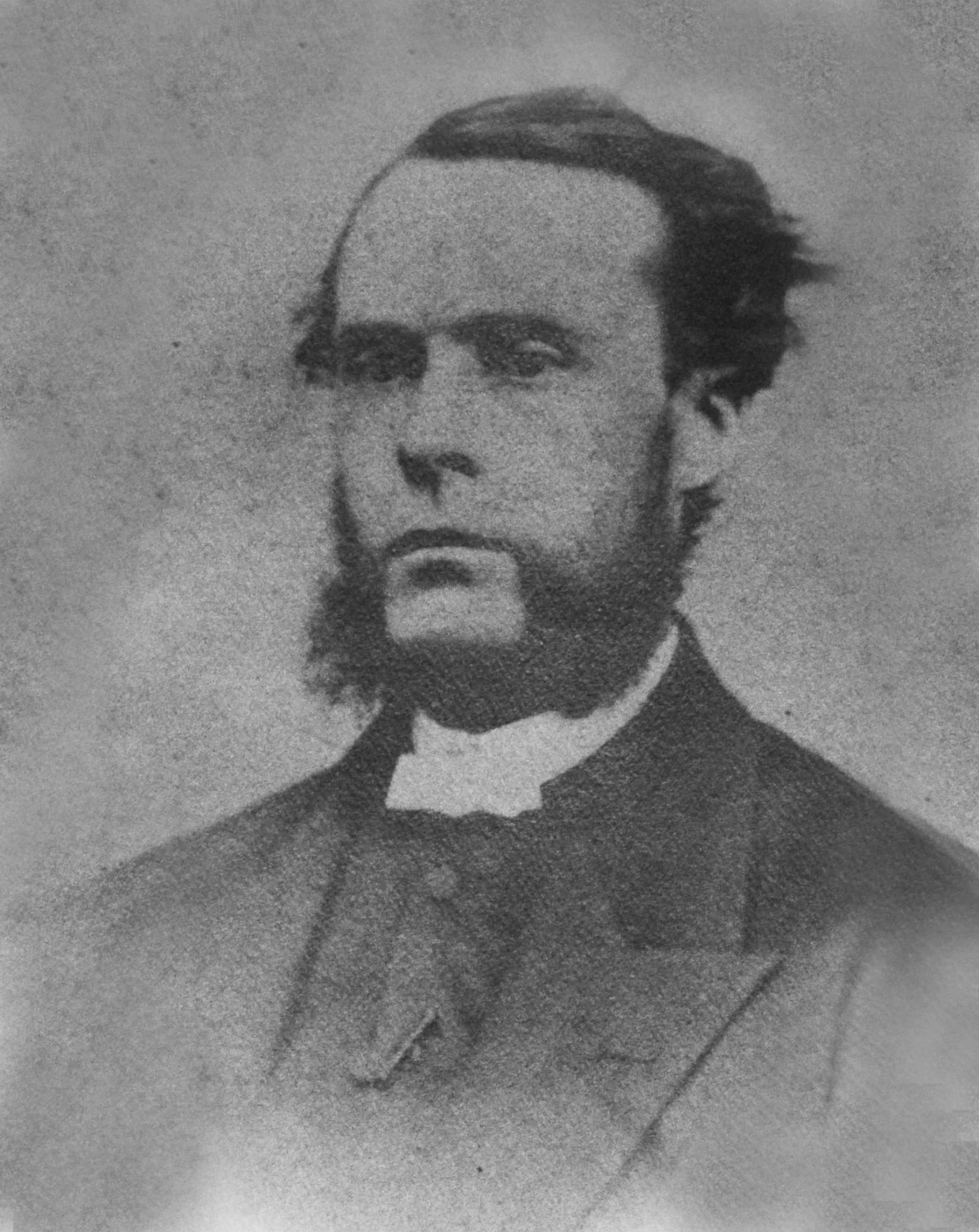
(1798-1889; pastor 1827-1833)
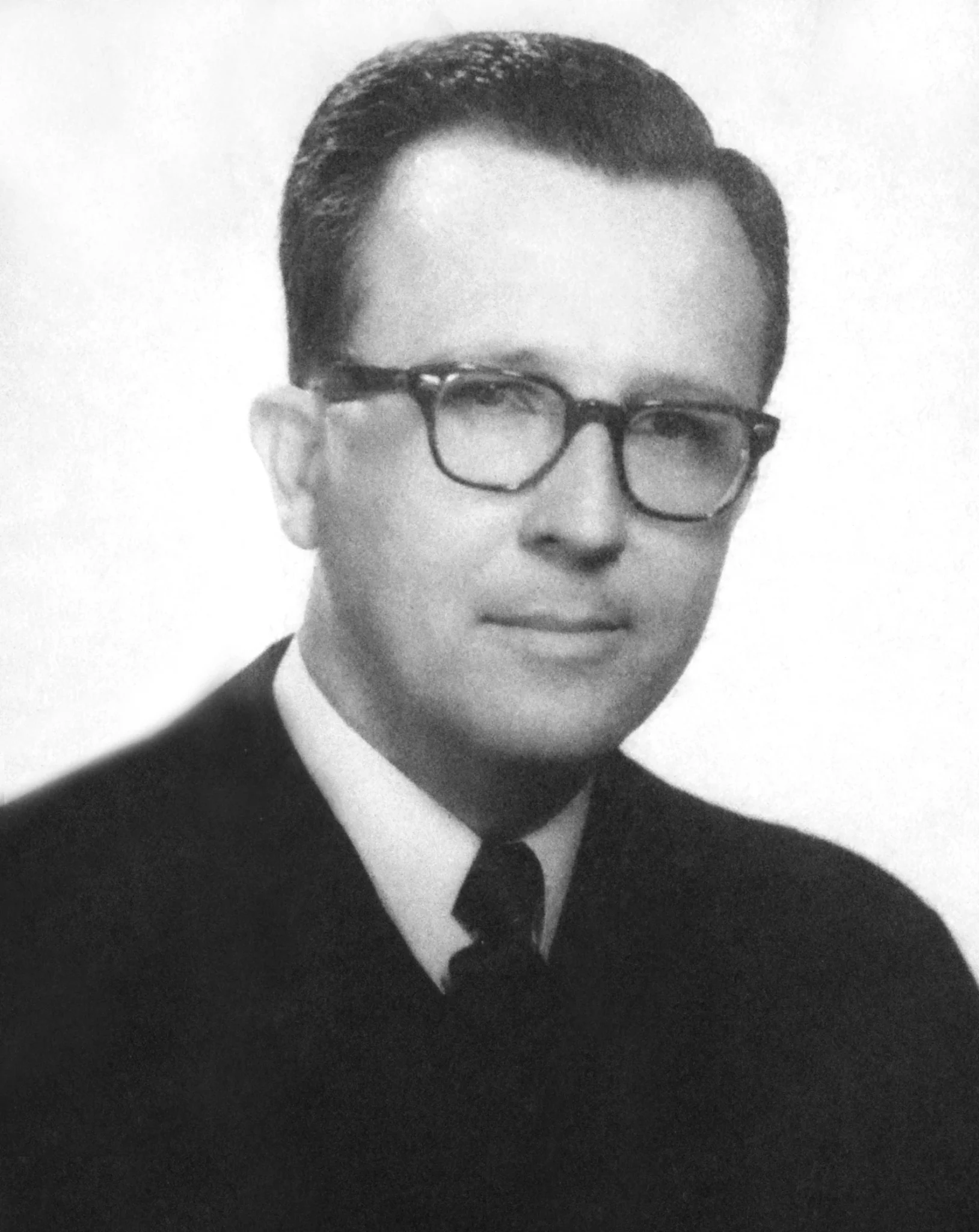
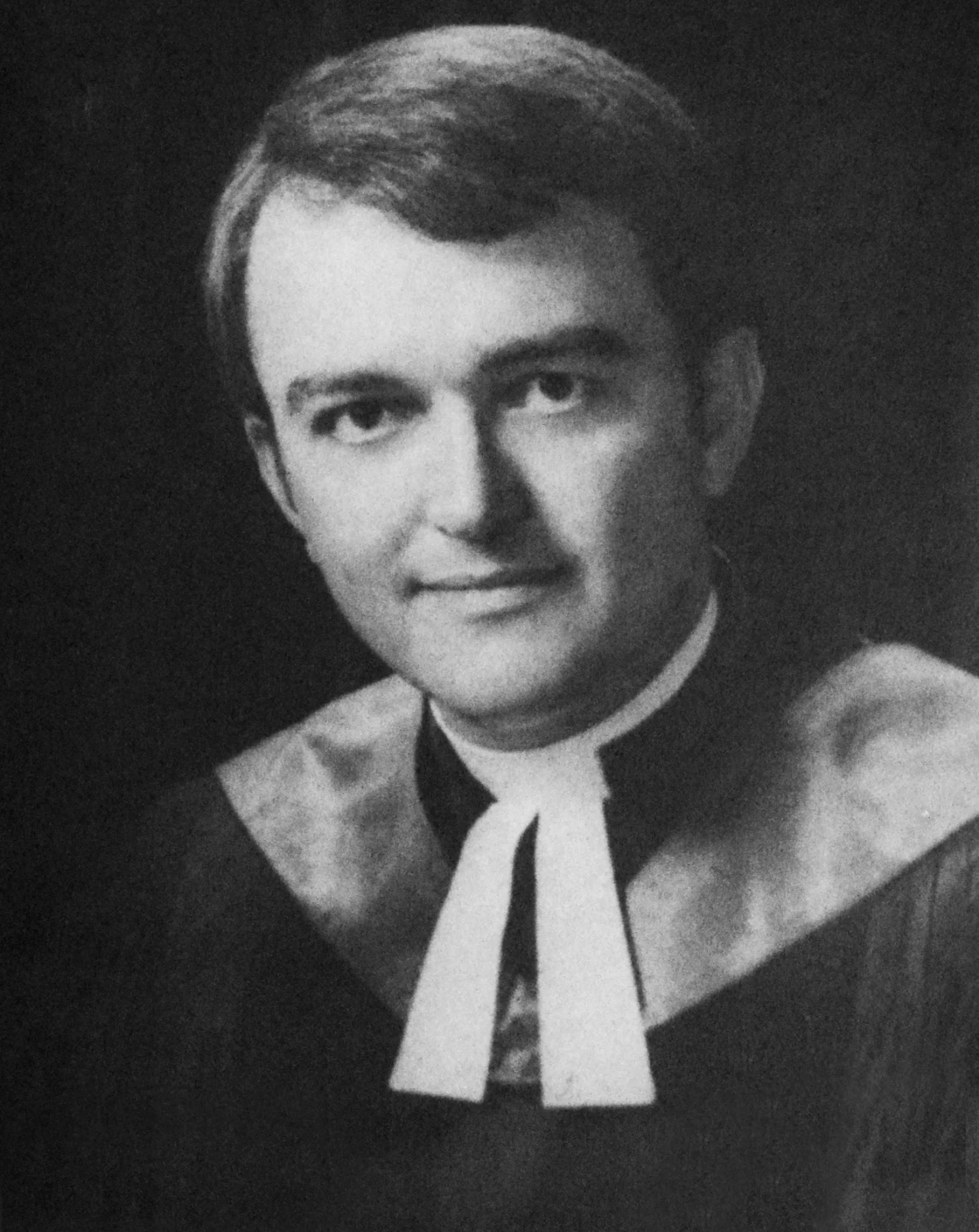
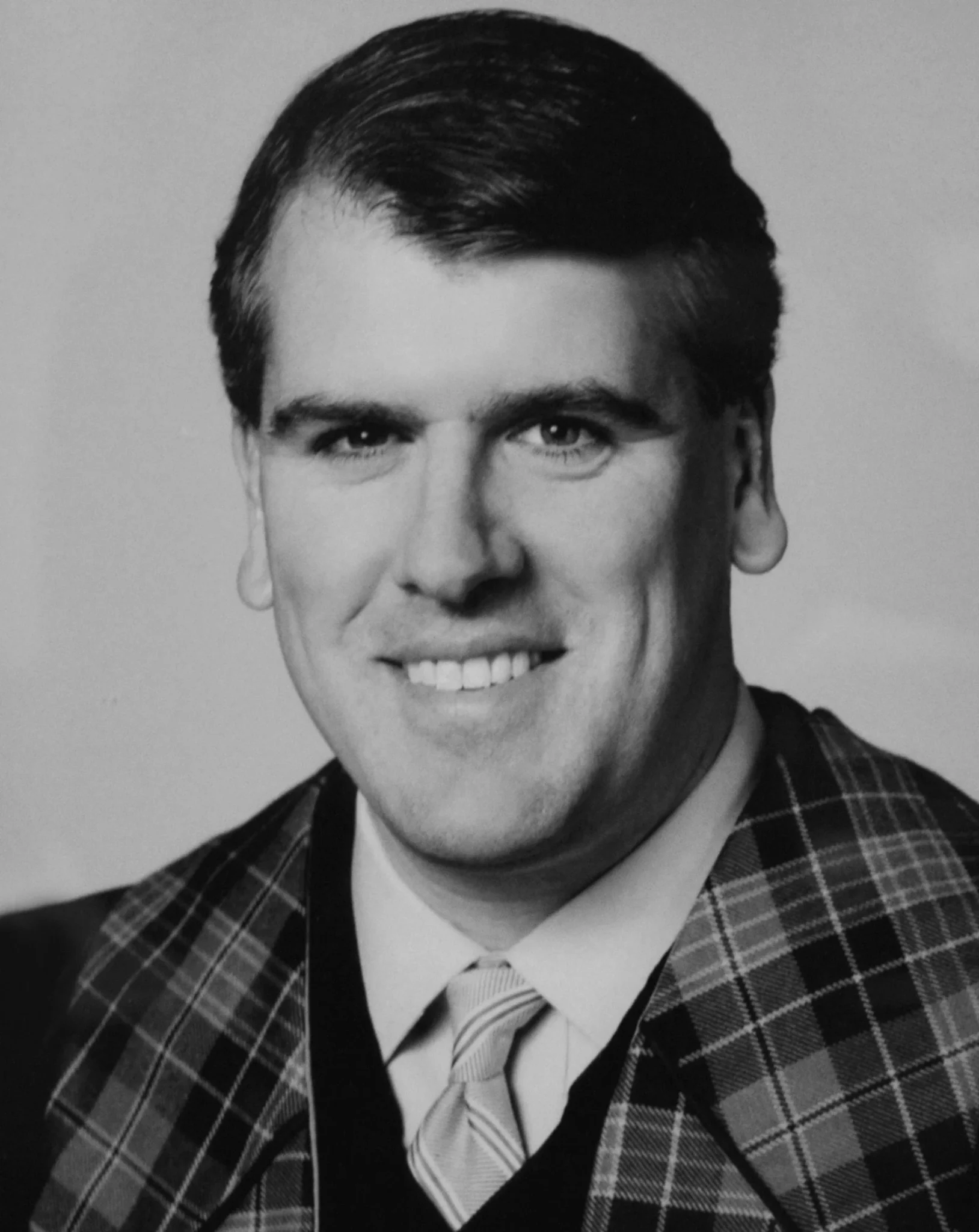
This plaque was given by Mr. and Mrs. James O. Moore in March 1973. Mrs. Moore was the great-granddaughter of Robert Hall Morrison.
Robert Hall Morrison (1798-1889) was the first called pastor of FPC. He was also the founder and first President of Davidson College. He was born in Cabarrus County, NC, to William Morrison, a miller, and Abigail McEwen Morrison. He attended the University of North Carolina at Chapel Hill, graduating in 1818, and studied theology at the College of New Jersey (later Princeton) in 1820.
Upon returning to North Carolina in 1821, his first pastorate was at Providence Presbyterian Church near Charlotte. He left there after 18 months, answering a call to a larger and more affluent church in Fayetteville. He met his future wife, Mary Graham, when he preached in Hillsboro Presbyterian Church. They were married in 1824 and the couple eventually had 12 children. Two died in childhood.
With this marriage, Morrison joined the planter elite – the Grahams were among the largest landowners (and slaveholders) in the state. Mary’s brother William was a politician who served as US Senator, North Carolina governor, and Secretary of the Navy under President Millard Fillmore.
In 1827, Morrison accepted a call to Sugar Creek Church (2/3 time) and Charlotte (1/3). He continued that arrangement until 1833, when he became the full-time pastor at Sugar Creek, leaving the Charlotte church (later FPC).
Morrison was concerned that few candidates for the ministry came from his Alma Mater, the University of North Carolina. In a meeting of the Concord Presbytery on March 12, 1835, he presented a resolution for the establishment of a college in which Presbyterian doctrine would be taught. The Presbytery agreed and named Morrison chairman of a committee to select a site for the new Davidson College. In December 1836 Morrison became its first president, resigning his pastorate at Sugar Creek. In March 1837 the college opened its doors. Davidson College was named for Morrison’s wife’s uncle, Revolutionary war hero General William Lee Davidson. Morrison served as president until 1840, resigning due to ill health. He moved to “Cottage Home,” his plantation in Lincoln County which was part of Mary Graham Morrison’s dowery.
After leaving Davidson, Morrison supplied various churches in the Concord Presbytery. He lived until the age of 91, dying at Cottage Home on May 13, 1889. FPC’s pastor, Rev. A. W. Miller, delivered the eulogy.
Morrison’s family was closely associated with the Charlotte church. Four daughters were members – Isabella (married to General D.H. Hill, who was an elder), Eugenia (married to General Rufus Barringer), Mary Anna (married to “Stonewall Jackson,” who died before she joined the church), Laura (married to Col. John Brown).
A thesis written by a Virginia Tech master’s candidate explored Morrison’s contradictions. It states that although current writings are more eulogistic, he was far more complex. Morrison was a slaveholder and father-in-law to three Confederate generals. Yet early in life he opposed slavery, writing in a letter to his cousin, “I have long looked upon Slavery as a traffic in itself detestable and justified by no principle either of nations or of nature. Their condition is truly one of a most lamentable nature.” Morrison himself was a slaveholder most of his life. In 1821, he inherited an enslaved person, Mary, from his father. “House slaves” became an integral part of the Morrison home. The family enslaved as many as 66 people in the fields at Cottage Home plantation. Like many white people, he could not envision life without the system of slavery.
Rev. Morrison had significant accomplishments in religion and education and was highly respected during his lifetime.
Sources